

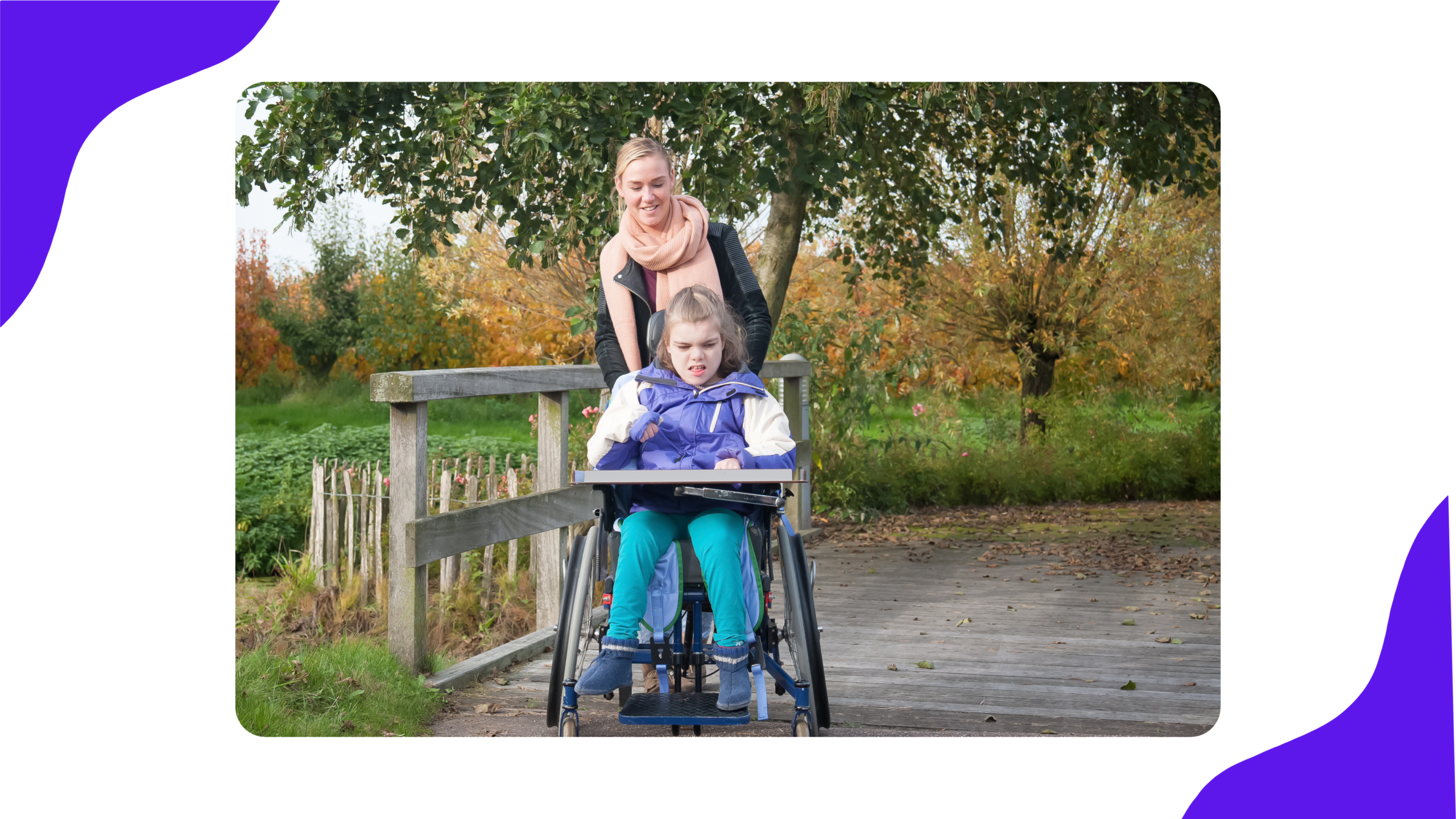
Complex care describes support for needs that require more detailed planning, coordination or specialist skills. The term covers different circumstances; it does not mean that every provider delivers every clinical procedure.
Tell us about diagnoses, daily support, mobility, equipment, medicines and the professionals already involved. We will explain what further assessment is needed and whether our service can meet those requirements.
Care planning considers the person's preferences, relevant risks, staffing levels, staff competence and how concerns will be escalated. Where appropriate and with the relevant consent, information from existing professionals can help define responsibilities.Any clinical task must be specifically assessed and agreed. We do not treat a general enquiry as confirmation that a particular treatment or procedure can be provided.
• Adult complex care
• Paediatric complex care
• Care for neurological and degenerative conditions
• Spinal injury support
• Acquired brain injury care
• Palliative and end of life care
• Post-operative care
• Care away from home including support for holidays and travel
Care planning considers the person's preferences, relevant risks, staffing levels, staff competence and how concerns will be escalated. Where appropriate and with the relevant consent, information from existing professionals can help define responsibilities.Any clinical task must be specifically assessed and agreed. We do not treat a general enquiry as confirmation that a particular treatment or procedure can be provided.
Type your paragraph here
If support is being considered for discharge, contact us with the expected timing and care requirements. Starting care depends on assessment, information sharing, staffing and any required arrangements being ready. We cannot confirm a start date until these have been agreed.
What information helps us assess a complex care enquiry?
Start with the person's location, the main support required and the reason a new arrangement is being considered. Explain whether they are at home, in hospital or receiving another service. If there is an existing care plan, professional assessment or discharge coordinator, mention this so we can discuss the information needed for a full assessment.
Details about equipment, communication, moving and handling, medicines and the frequency of support can affect the proposed staffing. We do not need a detailed medical record in an initial email. A short outline allows us to explain the next steps and how relevant information should be shared.
A person may need assistance with meals and personal care alongside needs that require specific clinical skills. These responsibilities should be identified separately. The assessment must establish which tasks are requested, what competence each requires and who is responsible for the relevant professional decisions.
Our CQC registration is not a checklist of procedures available on demand. Any request involving a clinical intervention requires an explicit discussion of scope, staffing, competence and oversight. If you need support involving ventilation, tracheostomy care, enteral feeding or another specific procedure, describe this at the outset. The team must confirm whether the required provision is available before any agreement is made.
Several organisations may already be involved in someone's care. A practical plan needs to identify their roles rather than assume one provider takes over everything. With appropriate consent and information sharing, assessment can consider existing professional guidance and how the proposed home care support would fit alongside it.
Ask who will coordinate the service, how changes in need should be reported and what the agreed escalation arrangements will be. If relatives are helping, establish which tasks they want to continue and which require paid support. Clear responsibilities are particularly useful when several people attend the home at different times.
Families may be working towards a discharge date or the end of another package. Tell us about these timescales early. A target date is useful, but care cannot be confirmed until assessment, staffing and necessary practical arrangements are complete. If equipment or information is outstanding, that needs to be identified before support is agreed.
The proposed start should include a clear handover and an agreed care plan. Discuss entry to the home, records, contact arrangements and what happens if the person is unavailable or their needs change. Confirming these details is part of making the arrangement workable, not an optional extra after a booking.
Compare the actual tasks, staffing levels, hours and management arrangements described in each proposal. A lower headline price may refer to a different level of support. Ask which costs are included, how additional cover is handled and how the plan will be reviewed. We explain our proposed charges after assessing what the service would involve.

The pathway below highlights the key stages that Careplus Healthcare Services follows in order to provide you with a truly bespoke and high quality care service.
Our office is at Royal Arsenal Woolwich in the London Borough of Greenwich. We provide care at home in Greenwich, Woolwich, Charlton, Plumstead, Eltham, Blackheath, Abbey Wood, Thamesmead and surrounding areas. Not sure whether we cover your postcode? Call us and we will tell you straight away.